
How to Start Qaida for Beginners: Calm, Clear First Steps for Quran Reading
Begin your Quran reading journey with confidence. Learn how to start Noorani Qaida for beginners in simple, manageable steps. Build a calm, repeatable learnin

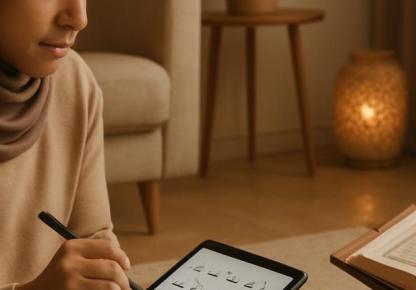
For many, the idea of reading the Quran for the first time can feel both inspiring and intimidating. Maybe you’re starting from scratch—unfamiliar with Arabic, or unsure what to do after your first lesson. This guide is here to offer a gentle, realistic start for anyone wanting to learn how to read the Quran as a beginner, without false promises or pressure to become fluent overnight.
When you first search for how to read Quran for beginners, it’s easy to imagine that everyone else just opens the book and flows through the verses. In reality, almost every reader—whether child or adult—begins with the basics: recognizing Arabic letters, connecting them, learning their sounds, and slowly building comfort with each step.
For a beginner, “reading the Quran” can mean:
It’s normal for this to take time. Fluency isn’t instant, and that’s okay.
If you’re asking how to learn Quran for beginners, your journey almost always starts with the Qaida—a simple booklet or digital course designed to teach the Arabic letters and their sounds. Don’t worry if the script looks unfamiliar; everyone starts at this point.
Many adults feel shy about starting so simply. But every confident reciter was once a beginner, sounding out each letter slowly. Allow yourself to be new.
Once the alphabet feels familiar, the next step is understanding how Arabic letters connect. This is where many beginners pause and ask: How do I actually read words?
If you’re wondering how to read Quran in Arabic for beginners, this is the stage where the script will start making sense. Be patient with yourself. Progress here is rarely linear—some days it will click, others it may feel slow.
The best way to learn Quran for beginners is not by cramming, but by creating a steady, realistic habit. A few minutes a day, consistently, is more effective than a long session once a week.
Remember, the goal is consistency—not perfection. Missing a day isn’t failure; simply resume when you can. Learning is a journey, not a race.
Many ask how to read the Quran for beginners in English. If you’re just starting, there’s nothing wrong with reading a translation alongside your Arabic practice. This helps you understand the meaning and keeps motivation high.
For some, self-study is enough. For others, a point comes when you need live feedback. If you find yourself repeatedly stuck—mispronouncing letters, or unsure about joining words—consider finding a teacher.
Learning to read the Quran is deeply personal, and there’s no shame in needing support. Often, a teacher’s guidance turns confusion into clarity in just a few sessions.
Remember, every confident reader began as a beginner. With patience, practical steps, and gentle encouragement—whether from an app, a teacher, or your own steady effort—you’ll find your way forward.
If this article helped, the best next step is to turn the insight into a repeatable Quran routine. Small daily momentum usually changes more than one intense burst of effort.
A few related reads to deepen understanding and keep users moving through the site.
Begin your Quran reading journey with confidence. Learn how to start Noorani Qaida for beginners in simple, manageable steps. Build a calm, repeatable learnin
Learning GuidesA human-friendly guide to learning Noorani Qaida at home. Discover calm, practical steps you can start today—even if you feel embarrassed or don’t know where
Learning GuidesLearn a gentle, repeatable routine to return to Quran reading after weeks or months away. This guide helps you rebuild your habit without guilt or overwhelm.
Use the Munabook app to keep learning with guided Quran study, simple daily practice, and on-demand access to qualified teachers when you need personal help.
Build a steady Quran habit with guided learning, daily practice, and AI-supported feedback.
Download the appBrowse qualified teachers for one-to-one help with recitation, tajweed, and steady progress.
Find a Quran teacherShort answers to help you keep learning with more clarity and confidence.
Consistency usually grows from simplicity. Choose a short daily time, remove friction, and keep returning even when the session feels small.
You can begin on your own, especially with reading, reflection, and building routine. A teacher becomes especially helpful when you need correction, accountability, or clearer understanding.
Slow down, repeat it in small parts, read trusted explanation, and ask for help when you stay stuck. A difficult verse often becomes clearer through patient repetition and guidance.

Begin your Quran reading journey with confidence. Learn how to start Noorani Qaida for beginners in simple, manageable steps. Build a calm, repeatable learnin

A human-friendly guide to learning Noorani Qaida at home. Discover calm, practical steps you can start today—even if you feel embarrassed or don’t know where

Learn a gentle, repeatable routine to return to Quran reading after weeks or months away. This guide helps you rebuild your habit without guilt or overwhelm.

Paused your Quran memorization? Learn how to restart Hifz after stopping with gentle routines, revision strategies, and daily habits that actually work.

Ambitious to memorize the Quran fast? Learn how to memorize one page of Quran a day with a calm, repeatable routine that lasts. Practical daily steps for last

Learn a practical, step-by-step review system to keep your old surahs fresh. Calm routines, useful tips, and how Munabook can help you stay on track.