
How to Focus While Reading Quran: Calm Steps for a Steadier Recitation
Struggling to focus while reading the Quran? Learn steady, repeatable habits to build attention and create a more mindful, peaceful recitation routine.

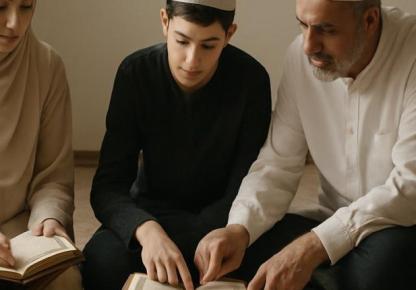
Everyone who learns to read the Quran makes mistakes. It’s part of the process, whether you’re a beginner struggling with new letters or someone revising tajweed rules you thought you’d mastered. But when you stumble over a word or mispronounce a verse, it’s easy to feel a wave of shame or embarrassment—sometimes so strong that you want to stop trying altogether.
This feeling is real, and it can quietly block your progress. But with calm, repeatable steps, you can rebuild your confidence and keep moving forward on your Quran journey. Here’s how to handle those moments, so that mistakes become stepping stones, not barriers.
Before anything else, it helps to step back and remember: Learning is supposed to stretch you. The Quran isn’t just a book to read perfectly; it’s a lifelong companion to practice with, reflect on, and grow through. Mistakes are a natural signal that you’re pushing your limits, not a sign of failure.
So when you catch yourself feeling ashamed or frustrated after a mistake, remind yourself: this is evidence you’re learning. That shift in mindset is the first step to confidence.
It’s easy to say “just try again,” but what do you actually do in the moment after a reading slip? Here’s a gentle, repeatable process you can use—whether you’re practicing alone, using an app like Munabook, or reciting with a teacher:
This calm routine takes the ‘sting’ out of mistakes and turns them into practical next steps, not emotional setbacks.
Sometimes, the hardest part isn’t the mistake itself—it’s the story we tell ourselves afterwards. Here are some common thoughts, and the gentle truths to replace them with:
Sometimes, reading alone isn’t enough. If you find that mistakes are becoming a wall instead of a signpost, consider reaching out for support. The Munabook app helps you track your progress and gently review tricky spots, but when you feel stuck, finding a patient Quran teacher (through Munabook or elsewhere) can make a huge difference.
It’s easy to focus on technical accuracy, but don’t lose sight of the deeper benefits of Quran reading, even when you’re still learning:
This is why reading Quran is important—not because you do it perfectly, but because you keep showing up. The benefits unfold over time, through regular contact and honest effort.
Confidence doesn’t arrive in one leap; it’s built in small, repeated steps. Here’s a gentle routine you can adapt:
And if you ever feel your confidence sagging, remember: you’re not alone. Every learner, at every stage, faces moments of doubt. What matters is building a routine that helps you return, gently, again and again.
Above all, remember: the Quran is a lifelong companion. Every reading session, even the imperfect ones, is a step toward spiritual growth and confidence.
If this article helped, the best next step is to turn the insight into a repeatable Quran routine. Small daily momentum usually changes more than one intense burst of effort.
A few related reads to deepen understanding and keep users moving through the site.
Struggling to focus while reading the Quran? Learn steady, repeatable habits to build attention and create a more mindful, peaceful recitation routine.
FAQsMissed a prayer and feel lost? This gentle, step-by-step guide helps you return after missing Salah without shame. Build a daily prayer habit, one small step
FAQsDu'a does not have to be long. Learn why even one sincere sentence can be a powerful prayer and how to make du'a part of everyday life.
Keep the momentum going in Munabook with practical study tools, guided app learning, and real teachers when you want deeper support.
Build a steady Quran habit with guided learning, daily practice, and AI-supported feedback.
Download the appBrowse qualified teachers for one-to-one help with recitation, tajweed, and steady progress.
Find a Quran teacherShort answers to help you keep learning with more clarity and confidence.
Slow down, read the verse in context, compare related verses, and look up trusted tafsir. Confusion is often a sign that you are moving into a deeper layer of understanding, not a reason to stop learning.
No. Sincere questions can be part of serious learning. The important thing is to ask with humility, seek reliable sources, and give yourself time to understand the answer fully.
Focus on one question at a time, keep a short study routine, and return consistently instead of trying to solve everything in one sitting. Guided learning and teacher support can make that much easier.

Struggling to focus while reading the Quran? Learn steady, repeatable habits to build attention and create a more mindful, peaceful recitation routine.

Missed a prayer and feel lost? This gentle, step-by-step guide helps you return after missing Salah without shame. Build a daily prayer habit, one small step

Du'a does not have to be long. Learn why even one sincere sentence can be a powerful prayer and how to make du'a part of everyday life.

Learn when prayers can be combined in Islam, which prayers are eligible, and how to use this concession with care during travel, hardship, or genuine need.

Unsure about the difference between a trial Quran lesson and a regular class? Learn what to expect, how each works, and how to choose the best Quran learning

Wondering if you need a Quran teacher for Tajweed? Learn how to spot self-study limits, why mistakes persist, and how a qualified teacher can unlock your reci