Qaida for Adults: How to Begin Without Embarrassment or Overwhelm

Qaida for Adults: How to Begin Without Embarrassment or Overwhelm

Mar 23, 2026 66 Views

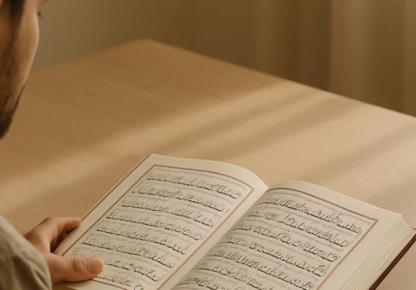
Many adults quietly wish they could read the Quran more fluently but feel uncertain about starting with Qaida. Maybe it’s the memory of childhood classrooms, or the idea that Qaida is only for kids, that makes you hesitate. But the truth is: learning to read the Quran can begin at any age, and you don’t have to feel embarrassed about taking your first step as an adult.

Qaida for Adults: Why It’s Not Too Late

Qaida—especially Noorani Qaida—is a simple, time-tested method for learning to read the Quran from the very basics: the Arabic alphabet, pronunciation, and joining letters to form words. For adults, starting Qaida isn’t a sign of weakness or failure. It’s a sign of honest intention, humility, and the courage to fill a gap in your life. Many people begin this journey quietly, at home, and see their connection with the Quran deepen with every small step.

What Is the Best Way to Learn Noorani Qaida as an Adult?

The best way to learn Noorani Qaida as an adult is to start gently and consistently, using resources designed for self-paced, private learning. This means:

  • Choosing a beginner-friendly Qaida: Some Qaida books are crowded or overwhelming. Look for one with clear, large text and simple explanations. Many adult learners use digital Qaida tools or apps because they offer audio support and track your progress privately.
  • Embracing daily micro-practice: Even five to ten minutes a day can build your confidence. Try to attach this practice to an existing habit—before bed, after Fajr, or during a quiet moment in your routine.
  • Listening and repeating: Audio guides matter. Adults often benefit from hearing correct pronunciation, then repeating out loud. This helps train your ear and tongue together, which is essential for reading Quranic Arabic.
  • Being gentle with yourself: It’s normal to stumble or revisit the same lesson more than once. Progress isn’t a race. Small, regular steps are the real engine of improvement.

If you’re looking for a calm, private space to begin, apps like Munabook are designed exactly for this kind of self-paced, low-pressure start. You control your progress, and you can return to any lesson as often as you need.

How to Start Noorani Qaida for Beginners: Your First Three Steps

You don’t need to plan out the entire journey before you begin. Most adults find that the hardest part is just starting. Here’s a simple approach:

  1. Open your Qaida and scan the first page. Don’t try to memorize everything. Just notice the shapes of the letters. Read the page out loud, even if you’re unsure.
  2. Listen to the correct pronunciation. If you’re using an app or online guide, play the audio for the first few letters. Pause and repeat as often as you like. Say the letters aloud, matching the sound as closely as you can.
  3. Set a gentle routine. Decide when you’ll review the next small section—tomorrow, or in two days. Jot down a reminder or set a notification in your app. The goal is to make it a quiet part of your daily rhythm, not a stressful appointment.

These steps are enough for the first few days. It’s not about speed, but about building comfort with the letters and sounds. Over time, you’ll notice patterns and begin to read simple words.

Addressing Common Fears: "What If I Get Stuck or Need More Help?"

Many adult learners worry they’ll get stuck on a letter or rule, and feel embarrassed to ask for help. This is common—especially if you’re learning alone. Here are some ways to move past that hesitation:

  • Use built-in support: Good learning apps include hints, slow-motion audio, or even the option to mark a lesson for review. Take advantage of these features—there’s no penalty for repeating a lesson or asking for extra help from the app.
  • Connect with a qualified teacher when ready: If you find yourself repeating a section many times without improvement, this isn’t a failure. It might simply mean you’d benefit from a live teacher’s feedback. Many adults who start with self-study later transition to a teacher for tricky sections—often through platforms like Munabook, which matches you with a teacher who understands adult learners.
  • Remember: Nobody expects perfection on day one. The first step is the hardest. Every learner—child or adult—struggles with some part of Qaida. Your effort counts, even if it feels slow or awkward at first.

How to Choose Noorani Qaida for Beginners: What Matters for Adults?

Not all Qaida resources are created equal, especially for adults. Here’s what to consider:

  • Clarity and simplicity: Avoid Qaida books with tiny print or packed pages. Look for clear fonts, spacious layouts, and step-by-step progression.
  • Audio or video support: Adults often need to hear correct pronunciation, not just see the letters. Choose resources (app or book) with high-quality audio for every lesson.
  • Gentle pacing: Some materials rush through content. As an adult, it helps to go at your own pace, repeating or skipping as needed. Digital tools like Munabook are built to allow this flexibility.
  • Feedback and correction: If you’re open to it, choose a resource that lets you send a recording to a teacher or access targeted tips. This can be especially helpful for trickier rules or sounds.

Above all, choose a Qaida that feels inviting. You should feel calm, not judged, every time you open it. That’s what keeps your habit going.

Practical Takeaways: Building a Gentle Learning Habit

  • Let go of embarrassment: Adults all over the world are quietly starting this journey. You’re not alone, and the first step is the bravest.
  • Start smaller than you think you need to: One page, or even three lines, is enough for your first session.
  • Use technology as a private guide: Apps like Munabook let you practice, listen, and repeat without anyone watching or judging.
  • When you’re ready, seek feedback: If you feel stuck, connecting with a calm, experienced teacher can help you move forward with confidence.
  • Above all, keep it gentle and consistent: Small, regular practice builds the confidence and fluency you’re seeking—one letter at a time.

Starting Qaida as an adult is an act of courage and sincerity. With the right tools, a gentle routine, and a willingness to ask for help when needed, your connection with the Quran can grow in a way that feels natural and rewarding—no matter your age.

Keep going with Munabook

If this article helped, the best next step is to turn the insight into a repeatable Quran routine. Small daily momentum usually changes more than one intense burst of effort.

Keep learning with Munabook

Turn this article into daily Quran practice

Use the Munabook app to keep learning with guided Quran study, simple daily practice, and on-demand access to qualified teachers when you need personal help.

  • Daily Quran study
  • AI-supported practice
  • 1-on-1 Quran teachers
Best first step

Start in the app

Build a steady Quran habit with guided learning, daily practice, and AI-supported feedback.

Download the app
Need personal help?

Learn with a Quran teacher

Browse qualified teachers for one-to-one help with recitation, tajweed, and steady progress.

Find a Quran teacher
Quick answers

Questions readers often ask after this article

Short answers to help you keep learning with more clarity and confidence.

How can I study the Quran more consistently?

Consistency usually grows from simplicity. Choose a short daily time, remove friction, and keep returning even when the session feels small.

Do I need a teacher, or can I begin on my own?

You can begin on your own, especially with reading, reflection, and building routine. A teacher becomes especially helpful when you need correction, accountability, or clearer understanding.

What should I do when a verse feels hard to understand or remember?

Slow down, repeat it in small parts, read trusted explanation, and ask for help when you stay stuck. A difficult verse often becomes clearer through patient repetition and guidance.

Continue exploring this topic Learning Guides
Previous article How to Memorize Quran Without Forgetting: Building a Lasting Revision Rhythm Next article How to Improve Recitation Pronunciation: Calm Steps for Clearer Quran Reading
Nabil Mostafa
Author

Mostafa

More from Learning Guides

How to Start Qaida for Beginners: Calm, Clear First Steps for Quran Reading

How to Start Qaida for Beginners: Calm, Clear First Steps for Quran Reading

Begin your Quran reading journey with confidence. Learn how to start Noorani Qaida for beginners in simple, manageable steps. Build a calm, repeatable learnin
Nabil Mostafa

Mostafa

Apr 07, 2026
How to Learn Quran at Home for Beginners: A Calm, Repeatable Path You Can Start This Week

How to Learn Quran at Home for Beginners: A Calm, Repeatable Path You Can Start This Week

Begin your Quran learning journey at home—even as a total beginner. Discover a practical, calm routine for building daily habits, reading basics, and knowing

Nabil Mostafa

Mostafa

Apr 02, 2026
How to Read Quran for Beginners: A Calm, Practical Start

How to Read Quran for Beginners: A Calm, Practical Start

Brand new to Quran reading? This guide offers calm, practical steps for absolute beginners. Learn how to start reading the Quran, build daily habits, and stay

Nabil Mostafa

Mostafa

Mar 29, 2026
How to Learn Noorani Qaida at Home: Start Small, Build Confidence, and Make Progress

How to Learn Noorani Qaida at Home: Start Small, Build Confidence, and Make Progress

A human-friendly guide to learning Noorani Qaida at home. Discover calm, practical steps you can start today—even if you feel embarrassed or don’t know where

Nabil Mostafa

Mostafa

Apr 06, 2026
How to Improve Quran Reading Fluency: A Calm, Practical Guide for Smoother Recitation

How to Improve Quran Reading Fluency: A Calm, Practical Guide for Smoother Recitation

Move from slow decoding to smooth Quran recitation without rushing. Practical steps and daily habits to improve Quran reading fluency—especially for beginners

Nabil Mostafa

Mostafa

Apr 03, 2026
How to Memorize One Page of Quran a Day: A Calm, Repeatable Routine

How to Memorize One Page of Quran a Day: A Calm, Repeatable Routine

Want to memorize one page of Quran a day? Learn an achievable daily method, practical memorization tips, and how to keep going when self-study gets tough.

Nabil Mostafa

Mostafa

Mar 30, 2026