
What Are the Qualities of a True Believer? A Thematic Journey Through the Quran
Explore the qualities of a true believer in the Quran and what these themes teach about character, sincerity, patience, and trust.


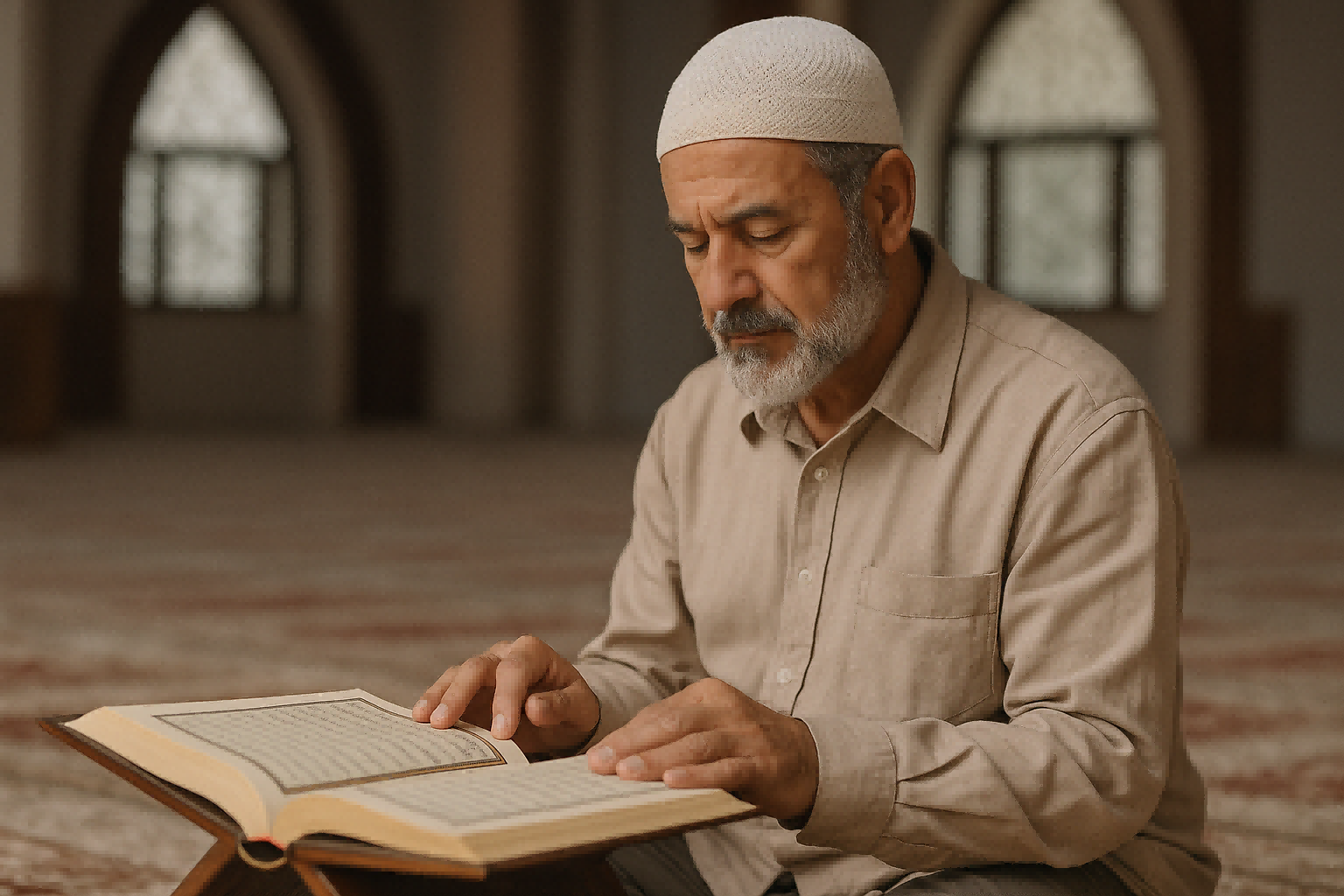
When we read the Quran, we often come across the word “they.” It can sound distant, as if the verse is only speaking about people from the past. But many Quran warnings are meant to do more than describe others. They are meant to wake us up and help us read ourselves more honestly.
That is why a verse about “they” can become powerful when it turns into a personal question: where do I see this tendency in myself? The Quran is not only a historical record. It is guidance, correction, and mercy for the one who is willing to take its reminders seriously.
When the Quran says, “They do not believe,” or “They mock,” or “They are in darkness,” it is easy to place those words safely outside ourselves. But spiritual growth begins when we pause and ask whether the verse is exposing a weakness we also carry in smaller ways.
The word “they” is not there to comfort us with distance. It is often there to remove that distance. A warning verse can become a mirror, and mirrors are valuable because they show what we would rather avoid. If we never let the Quran confront us, we miss one of the ways it heals us.
This does not mean reading with despair. Allah’s reminders are merciful. They are meant to bring us back before we drift too far, not to leave us hopeless.
Next time you come across a verse about “they,” do not rush past it as if it belongs only to another people, another era, or another kind of person. Sit with it. Ask whether there is a trace of that pattern in your choices, habits, or reactions.
Reading the Quran this way is not about self-condemnation. It is about self-honesty. And self-honesty is often where real change begins.
May Allah make us among those who hear His reminders, take them personally with humility, and return to Him with clearer hearts.
If you want to keep building on what you learned here, Munabook gives you a clear next step through guided app learning and access to qualified Quran teachers when you need personal support.
A few related reads to deepen understanding and keep users moving through the site.
Explore the qualities of a true believer in the Quran and what these themes teach about character, sincerity, patience, and trust.
Faith & Daily LifeExplore how daily gratitude, rooted in Qur’anic guidance, brings peace, spiritual growth, and deeper connection with Allah in everyday life.
Faith & Daily LifeLearn how seeking beneficial knowledge with sincere intention can become an act of worship and bring you closer to Allah in daily life.
Let reflection turn into action with the Munabook app: build a steadier Quran habit, revisit lessons, and connect with teachers when you are ready.
Build a steady Quran habit with guided learning, daily practice, and AI-supported feedback.
Download the appBrowse qualified teachers for one-to-one help with recitation, tajweed, and steady progress.
Find a Quran teacherShort answers to help you keep learning with more clarity and confidence.
Because they turn abstract ideas into lived examples. Reflection becomes stronger when you can see what patience, trust, courage, and sincerity looked like in real situations.
Pick one practical response from what you read. A single repeated action usually changes more than collecting many thoughts and leaving them unused.
Revisit the lesson briefly, connect it to your own routine, and keep learning with a steady practice rhythm. That is where insight starts becoming transformation.

Explore the qualities of a true believer in the Quran and what these themes teach about character, sincerity, patience, and trust.
Explore how daily gratitude, rooted in Qur’anic guidance, brings peace, spiritual growth, and deeper connection with Allah in everyday life.

Learn how seeking beneficial knowledge with sincere intention can become an act of worship and bring you closer to Allah in daily life.

Praying in public can feel awkward, but it does not have to feel exposed. Learn practical ways to pray with confidence, wisdom, and respect for your surroundings.

Learn the meaning behind raising your hands in du'a and how this simple gesture expresses humility, surrender, and hope before Allah.

Struggling to make sense of the Quran? Discover repeatable, practical ways to deepen your understanding—without feeling overwhelmed or lost in endless informa